
Guide · 10 steps · about 20 minutes a week
How to meal plan for the week
Skip the blank page. Meal BFF does the method below: a few answers, a week of meals, and one grocery list on your phone. This page is the long version if you want to do it yourself.


Free on iPhone and Android · No account · Your week stays on your phone
Step 1
Decide what the week should cost
Start with a number, not with recipes. For a week of meals, a realistic US grocery range is roughly $90 to $210 for one person, $150 to $400 for two, and $220 to $530 for a family of four, depending on how tight you want to be and where you shop. Pick the number first and the recipes will fall in line; do it the other way around and the total is always a surprise.
You do not need to price every ingredient. Think in tiers: tight, balanced, comfortable. A tight week leans on beans, eggs, rice, pasta and the cheaper cuts. A comfortable week has fish and better meat. Balanced is what most households actually spend when they plan instead of winging it.
Step 2
Plan one main meal a day, for the whole week
The rest of the day repeats itself in almost every household. The main meal is the one that gets ordered in when nobody planned it, and it is where most of the grocery money goes. Plan that meal for every day of the week and you have solved the real problem.
A full week is also the right length because it maps to one grocery trip. Plan three days and you shop twice; plan two weeks and the produce dies.
Step 3
Pick two anchor meals first
An anchor is a meal that covers more than one plate: a chili, a pasta bake, a sheet-pan tray of chicken and potatoes, a big pot of curry. Put two anchors on the week and you have effectively planned four meals, because each one gives you leftovers for free.
Anchors also carry the grocery list. A pound of ground beef bought for the chili is the same pound that makes Thursday's tacos.
Step 4
Rotate the main protein
Chicken, ground beef, pork, fish, eggs, beans, tofu. No two meals in a row should share one. Chicken three times running is how kids stop eating and adults order pizza on Wednesday.
A useful ceiling is three meals of any one protein in a week. Two chicken, two beef or pork, one fish, one eggs or beans, one wildcard is a week that feels varied without needing a different cuisine every meal.
Step 5
Put the quick meals on the hard days
Look at the actual week. Practice, late meetings, the day you are tired. Those days get the 20-minute meals: tacos, stir-fry, quesadillas, an omelette. The 45-minute sheet-pan meal goes on Sunday.
If you only make one change to how you plan, make it this one. Most abandoned meal plans die on a Tuesday, not on a Sunday.
Step 6
Only plan what your kitchen can cook
No oven? Then no bakes. Air fryer only? Skip anything that needs a big pot. One pan is a real constraint and the plan has to respect it, or it is a list of things you will not cook.
The same goes for time and skill. A week of recipes with 14 ingredients each is not a meal plan, it is a hobby.
Step 7
Turn the week's meals into one grocery list
Go through each meal and write every ingredient into a list grouped the way the store is laid out: produce, meat and seafood, dairy and eggs, bakery, pantry, frozen, spices. Combine duplicates. Two recipes that each need an onion is one line that says two onions.
Then check the pantry. Oil, rice, spices, stock, soy sauce, flour: most of it is already there. Cross it off before you leave the house. This step alone is worth ten to fifteen dollars a week.
Step 8
Round to what the store actually sells
You cannot buy 300 grams of ground beef or half a bag of spinach. The list has to be in packages, not recipe quantities, and that means the total at checkout is always a little more than the cost of the week.
That is not waste. It is next week's pantry. A planned second week is always cheaper than the first because the surplus is already in the kitchen.
Step 9
Leave one meal flexible
Something will go wrong. A late day, leftovers that stretched further than expected, a friend who drops by. One meal in the week should be a fallback under 20 minutes that everyone eats, or simply leftovers.
A plan with no slack does not survive contact with a real week.
Step 10
Repeat the good weeks
Nobody needs 52 different weeks a year. Keep the ones that worked and rotate them. Four solid weeks on repeat with a swap here and there is what most well-fed households actually do.
Write the good weeks down. Or let Meal BFF keep them and write the grocery list.
Worked example
What the method produces
This is a balanced week for two built with exactly these rules: $237 for the week, 8 different main proteins with no back-to-back repeats, 16 meals under 30 minutes, 6 that double up for leftovers, and a 48-item grocery list grouped by store section.
 Chicken with broccoli and sweet potato
Mon
Chicken with broccoli and sweet potato
25 min
 Beef & pepper stir-fry
Mon
Beef & pepper stir-fry
25 min
 Chicken with carrots and sweet potato
Mon
Chicken with carrots and sweet potato
25 min
 Air-fryer steak frites
Tue
Air-fryer steak frites
25 min
 Chicken with spinach and sweet potato
Tue
Chicken with spinach and sweet potato
25 min
 Steak with chimichurri & crispy potatoes
Tue
Steak with chimichurri & crispy potatoes
35 min
 Sausage, pepper & potato sheet-pan
Wed
Sausage, pepper & potato sheet-pan
40 min
 Paprika chicken & cabbage sheet-pan
Wed
Paprika chicken & cabbage sheet-pan
40 min
 Steak & arugula balsamic salad
Wed
Steak & arugula balsamic salad
20 min
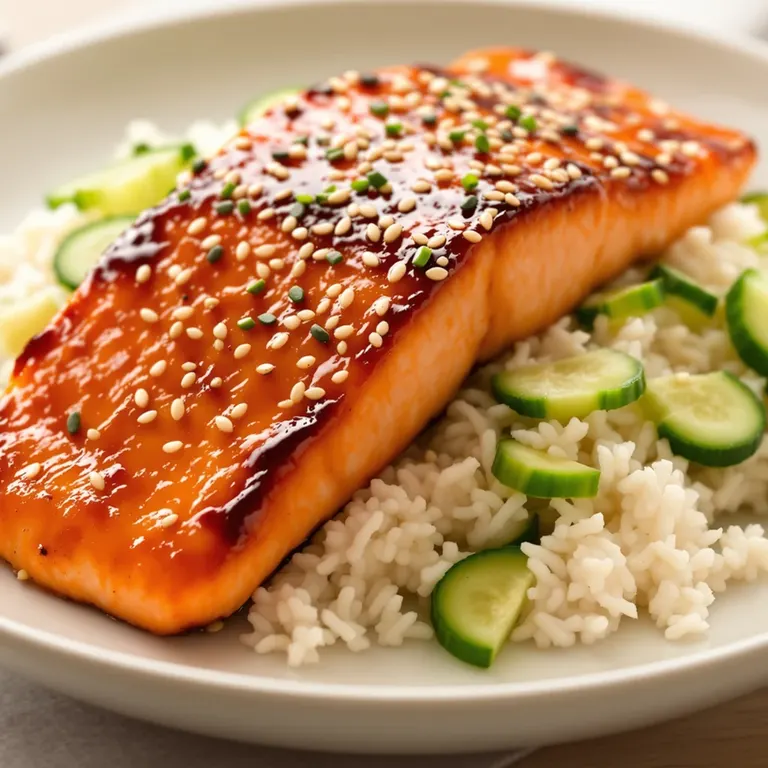 Teriyaki salmon rice
Thu
Teriyaki salmon rice
20 min
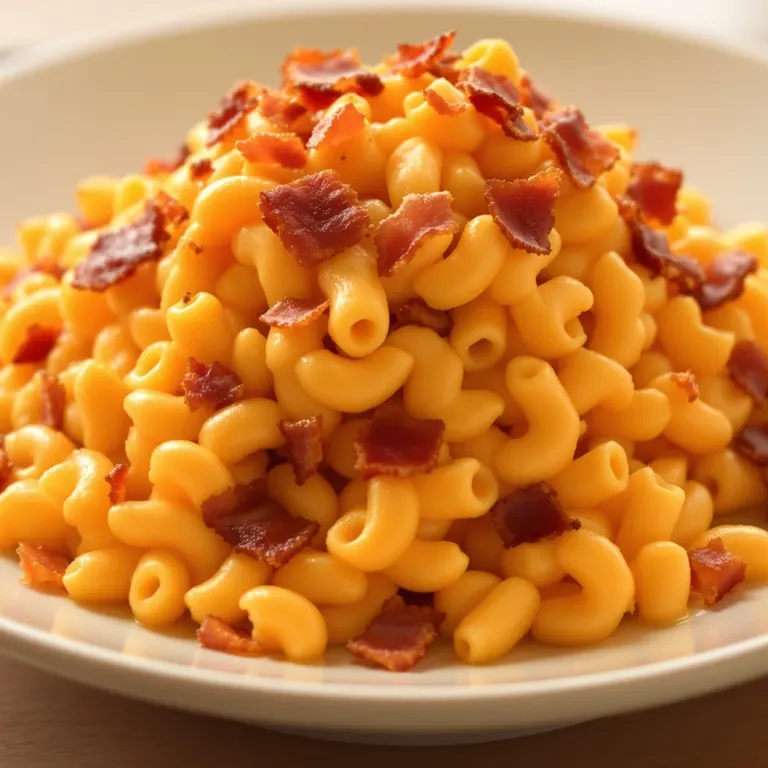 Bacon mac and cheese
Thu
Bacon mac and cheese
22 min
 Chicken with zucchini and rice
Thu
Chicken with zucchini and rice
25 min
 Beef meatball mozzarella bake
Fri
Beef meatball mozzarella bake
40 min
 Egg & cabbage stir-fry
Fri
Egg & cabbage stir-fry
15 min
 Ginger pork cabbage rice
Fri
Ginger pork cabbage rice
420 min
 Paprika chicken, broccoli & roast potatoes
Sat
Paprika chicken, broccoli & roast potatoes
30 min
 Sesame lime tofu cucumber
Sat
Sesame lime tofu cucumber
10 min
 Lamb chops & mint yogurt
Sat
Lamb chops & mint yogurt
22 min
 Meatballs & mash
Sun
Meatballs & mash
30 min
 Tuna, chickpea and lemon salad
Sun
Tuna, chickpea and lemon salad
15 min
 Paneer & spinach curry
Sun
Paneer & spinach curry
30 min
Five mistakes that kill a meal plan
Planning around recipes instead of a budget
Recipe-first planning produces a week that costs whatever it costs. Budget-first produces a week you can afford.
Planning every snack and side
It triples the work and solves a problem you probably do not have. Main meals first; add the rest only if those are already running smoothly.
Buying for one meal
A jar of a sauce used once, a bunch of herbs for one garnish. Every ingredient should appear in at least two meals or be a pantry staple.
Two grocery trips
The second trip is where the snacks and the impulse buys live. One list, one trip.
No leftovers strategy
Cooking a fresh meal every day means cooking every day. Two big-batch meals cut it to five.
Meal BFF app
Let Meal BFF do steps 1 to 9
Tell it the budget, household, diet and kitchen. It tells you the week and writes the list. You do step 10.
Weeks to copy
Every one of these was built with the method above. Open it and swap the meals you don't like.
All free weekly meal plans →·What to cook this week →·Cheap meal ideas →
Weekly meal planning questions
- How do I make a meal plan for the week?
- Set a budget, pick a meal for every day with two big-batch anchors, rotate the main protein so nothing repeats two meals in a row, put the quick meals on the busy days, and combine every ingredient into one grocery list grouped by store section.
- How much should I budget for groceries per week?
- For a week of meals, roughly $90–210 for one person, $150–400 for two and $220–530 for a family of four at typical US prices. Where you land depends on how much meat and fish is on the plan and where you shop. The USDA's moderate-cost food plan for a family of four is about $300 a week for all meals.
- Should I meal plan for 5 or 7 days?
- Seven. It matches one grocery trip. Plan five and you are back in the store on the weekend, which is where the budget leaks.
- What is the easiest way to start meal planning?
- Copy a ready-made week and change the two meals you like least. Starting from blank is why most people quit. Or let Meal BFF build one around your budget and kitchen.
- Is there an app that does this for me?
- Meal BFF does exactly the steps above: a few answers, a week of meals, protein rotation, and the grocery list. Free, no account.